


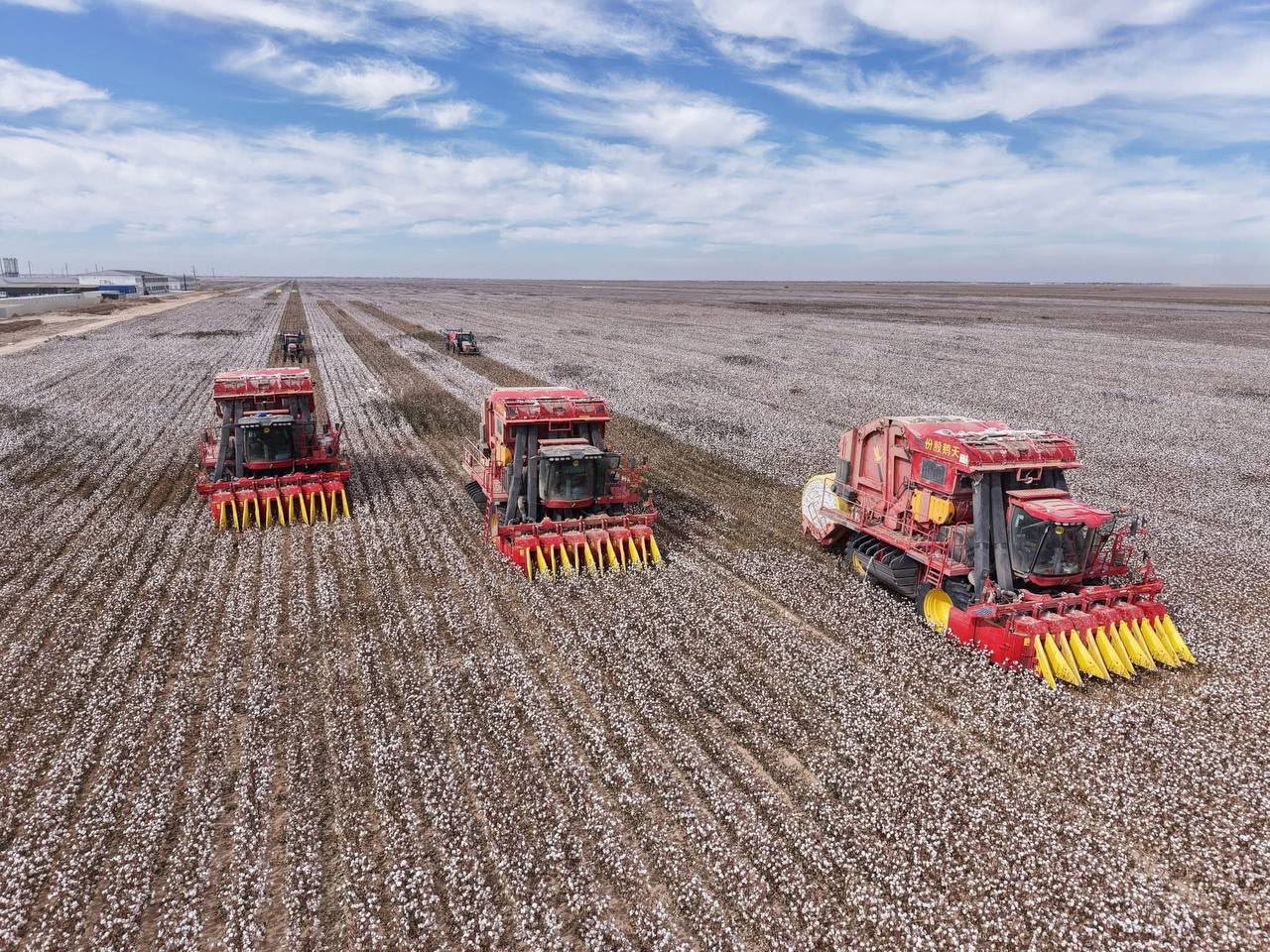
A cotton and textile cluster aimed at attracting more than 200 billion tenge in investment is being implemented in stages in the Turkistan Region. The project seeks to establish a complete production cycle from cotton cultivation and deep processing to yarn spinning, fabric weaving and the manufacture of finished textile products.
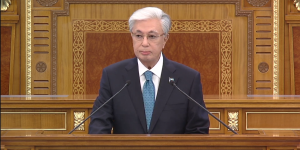
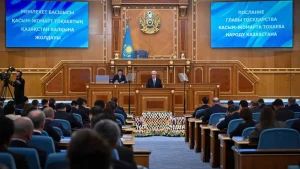
In his Address to the People of Kazakhstan, President Qasym-Jomart Tokayev emphasized the importance of deep processing of agricultural products and the efficient use of water resources. The President noted that a modern cotton and textile cluster was being established in the Turkistan Region and instructed the Government to expand the adoption of similar initiatives and provide support to investors.
The project is being implemented in cooperation with China's Xinjiang Lihua (Group). The production facilities are located in the TURAN Special Economic Zone in Turkistan, as well as in the city of Arys and the Otyrar District.
The cluster is expected to create 4,150 jobs, including 3,100 permanent positions and 1,050 seasonal jobs.
Production facilities are being commissioned in stages. In 2024-2025, work was carried out on projects involving the production of PVC pipes, cotton processing, drip irrigation tapes, and a spinning mill.
The spinning mill in the TURAN Special Economic Zone has a projected investment cost of 22.5 billion tenge. The facility is designed to produce 16,000 tonnes of yarn annually.
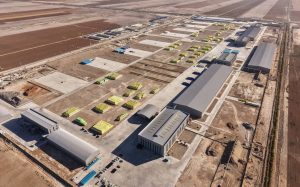
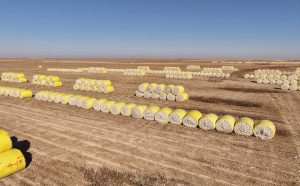
Two cotton-processing plants, each with an annual capacity of 90,000 tonnes, are planned for the Otyrar District. Meanwhile, the drip irrigation tape manufacturing facility is designed to produce enough tape to serve 50,000 hectares of farmland annually.
The next phase of the cluster will focus on developing fabric weaving, dyeing and finishing, and garment manufacturing. The Turkistan Textile project in the city of Turkistan will bring these operations together, enabling production ranging from yarn to finished textile goods.
Four production facilities are scheduled to be commissioned by the end of 2026. These include a garment factory, a textile mill, a dyeing and finishing facility, and a cottonseed processing plant. According to the planned production capacities, the garment factory will be able to produce 4 million home textile sets annually, while the textile mill will have an annual output capacity of 47 million metres of fabric. The dyeing and finishing facility will also be designed to process 47 million metres of fabric per year.
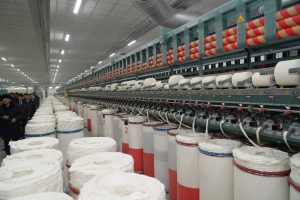
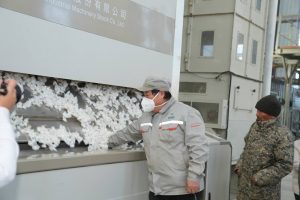
Water conservation is one of the project's key priorities. Since cotton farming in the region depends on irrigated agriculture, the cluster предусматривает the introduction of drip irrigation technologies, the production of irrigation tapes, and the modernization of water delivery systems. These technologies make it possible to supply the required amount of water directly to plant roots and manage irrigation more efficiently.
The effectiveness of water-saving measures should be assessed using indicators such as water consumption, crop yields, and the volume of water required to produce one tonne of cotton.
The implementation of the cluster will create new jobs in the region and increase demand for engineers, technologists, equipment operators, mechanics, and sewing specialists. It will also contribute to the development of logistics, transportation, warehousing, and equipment maintenance services.
Integrating all stages of production into a single system will make it possible to go beyond selling cotton as a raw material and manufacture finished products with higher added value. This approach is intended to support Kazakhstan's light industry, meet domestic market demand and expand export opportunities.
The main objective of the cotton and textile cluster in the Turkistan Region is to process cotton domestically and manufacture competitive finished products. The project will strengthen the links between agriculture and manufacturing, creating opportunities to enhance the region's industrial potential.


 EN
 KK
 RUS